
Before we discourse any further, we can do with some guidance in a story. And so, Robinson Crusoe elected to denounce what his father had selected to be his duty. In search of the world, he took to the sea to see the wonders of the world. After thousands of leagues across oceans en route to the Americas, he gets to the African coast in search of paradise from England. What he meets there presents him with his own fears, which are hundred times more terribly than the danger itself, while making him discovered to ignorance.
Crusoe fails to see paradise on the coast of Africa and off to Brazil he voyages. Upon settling in Brazil, fate argues with his destiny and he ends up on his Island in the Caribbeans and contends with his paradise for twenty with eight years. Well, if you have time, go read, but here is the short and long of it.

Robin Crusoe desired paradise and destiny got him one. He owned an island to himself. But soon he found out that a paradise is a place for one and the moment it is interrupted by pluralism it becomes a space. On his account, he made a cave only upon walking to find the island to have had a better one. He made a kitchen long before he turned to berries and milk. Crusoe eventually plotted to run from paradise and when he succeeded, he thought about heaven and finally came back to paradise but not for himself. To see the account of which his commercial estate had evolved.
What we are going to pick from Crusoe is the effect of place in space. While on that, a conversation from a recent past manifested an opportunity to interrogate the effect of place in space given the hierarchy of needs, and in that material discourse transcendence was the subject. In what sense might an architect expecting to end up in heaven reconcile their surroundings consciously in making heaven a place and not a space? We better be brief before we digress to theology. Crusoe found out that place gives space identity and therefore restoring or preserving our resilient consciousness in existence.
Now, foremost, the context of our concept might as well state its line of thought to make its point. While space is objective, place is subjective. Space is understood as the physical environment in which people live, while place can be seen as a more personal experience of the same physical environment. The concept of place is based on the relationship that individuals have with their environment and the meaning they attach to it. Place is shaped by the individual’s past experiences, as well as by their current needs and desires. This concept is also closely connected to the idea of home as opposed to a house; a place where individuals feel a sense of belonging and connection to their environment. The concept of place is important in understanding and shaping the environment, as it helps to create a sense of community and connection between people.
Place can also be used to foster a sense of identity, as people create a narrative around the places they inhabit. This narrative can be used to create a sense of place and belonging, and to foster a sense of pride in the environment and in the people who inhabit that space. In addition, the concept of place can be used to create a sense of connectivity between people and their environment. This connection can be used to facilitate a sense of collective identity, as well as to create a sense of shared values and beliefs. Place can also be used to bring people together and create a sense of mutual understanding and respect.
Therefore, this concept looks at how people’s relationship with their environment can shape the meaning they attach to it and how this meaning can in turn shape the places they inhabit. Furthermore, it explores how these places can foster a sense of belonging and connection, and how this can impact an individual’s sense of identity and wellbeing. Finally, this concept also looks at how these ideas can be applied to the development of urban spaces, in order to create places that are conducive to fostering a sense of belonging and wellbeing.
The concept of place is closely tied to notions of identity. Individuals often attach personal meaning to their physical environment, and this meaning is tied to their sense of identity. For instance, individuals may feel a sense of pride when they live in a certain place that is associated with their identity. Additionally, people can form a bond with their environment and gain a sense of belonging when they live in one place for an extended period of time. This connection to place is often seen as an important part of an individual’s identity. Place is also closely connected to the concept of community. People often form connections to their environment through the people they interact with in that environment. Communities are formed when individuals share a common sense of identity and when they form bonds of trust and understanding. This sense of community is important for individuals to feel a sense of belonging and connection to their environment. Finally, the concept of place is closely linked to the idea of sustainability.
Individuals often form connections to their environment through the activities they engage in and the resources they use in that environment. Sustainability is about recognizing the importance of protecting the environment for future generations, and making sure that it is used in a way that is respectful and beneficial for all. This concept of sustainability is closely linked to the idea of paradise, as paradise is often thought of as a place that is in perfect balance, with no harm done to the environment or its inhabitants. Therefore, connecting with the concept of paradise as a place or space involves understanding the importance of sustainability and the need to protect and preserve the environment for future generations [Inter-generational Equity].
This can include activities such as reducing our carbon footprint, conserving natural resources, and creating more green spaces. Additionally, living in harmony with nature and protecting vulnerable species are important steps towards connecting with the concept of paradise. How then does one connect with the concept of paradise as a place or space?
One may connect with the concept of paradise as a place or space by visualizing it as a safe haven and a place of refuge. One could also imagine it as a place of beauty, tranquility, and peace. Furthermore, it could be seen as a place of abundance and joy, where one can find inner peace and joy. Lastly, one could connect to the concept of paradise as a place of spiritual connection, where one can find a connection to their higher self and discover their true purpose. One way to connect with the concept of paradise as a place or space is to think about it as a place of refuge and peace. Paradise is often seen as a place of beauty, relaxation, and contentment, where one can find joy and escape the struggles of everyday life. It can also be a place of spiritual growth, exploration, and connection with the divine.
Paradise can be seen as both a place and a space. As a place, paradise is often seen as a physical location, either in the present or in the afterlife, that is a perfect environment, free of pain and suffering. As a space, paradise can refer to an inner or psychological state that is free of all negative emotions and filled with peace, joy, and contentment. It can also refer to a spiritual realm that exists beyond the physical world and is accessible through prayer and meditation. Ultimately, paradise is an experience of joy and peace that can be found within us and in the physical world. As a place, it is often seen as a mythical realm, full of beauty and perfection, and as a space, it is experienced as a state of mind, a place of inner peace and joy. In either case, paradise is a concept that often evokes feelings of happiness, contentment, and spiritual fulfillment.
Space is a physical area or volume, such as a room or a piece of land, while place is a physical or psychological area that has meaning to an individual or group. Space is a physical dimension, while place is a social, cultural, and emotional dimension. Space is a physical environment, while place is a meaningful environment. Space is the physical context in which people live, while place is the social and emotional context in which people live. Space is a physical location, while place is a meaningful location.
Architectural space is defined as a three-dimensional area, interior or exterior that has been designed and built for a specific purpose. It can be an enclosed area, a room, a public area, or even a building. Architectural place, on the other hand, is a specific location within the architectural space that has been given a distinctive identity by its inhabitants or its physical features. It is a place with its own unique character, atmosphere, and history. It is a place with a strong sense of identity, created by the people who live there and the activities that take place within it.
Architectural space refers to the physical environment created by the architecture, including the volume, scale, and organization of architectural elements such as walls, openings, and surfaces. Architectural place, on the other hand, is the subjective experience of inhabiting a space. It is the emotional and psychological connection between the inhabitant and their environment. While architectural space is concerned with the physical structure and scale of a space, architectural place is concerned with the personal experience and meaning of a space. It is the emotional, cultural, and social connections to a space that create a sense of place.
Architectural Principles such as form follows function; The basic principle that the form of a building or its components should be based on its intended purpose, proportion; the harmonious relationship between the different parts of a building in that all elements should be in relation to the whole, and all parts should be in proportion to each other, simplicity; design should be simple, uncluttered, and free from unnecessary details harmony and balance; design should be harmonious and in balance with its environment and surroundings, rhythm; achieved by repeating elements in a composition, unity, balance; achieved by distributing visual weight evenly in a composition, scale and perspective(proportion); the size of elements in a composition relative to each other and to the viewer such that the architecture should be designed to fit the people who will inhabit it, unity; Achieved by creating a sense of harmony in a composition and light and shadow determine characteristics of architectural space of size and dimensions, shape, material, color, light, temperature ,acoustics and movement. This architectural character defines features of architectural place by context, character, history, meaning, identity, memory, story and symbolism

Character and features of architectural space are manifest in spatial order; the way that space is organized and arranged to create a particular atmosphere or effect, light-natural and artificial- used to create an atmosphere and to highlight certain features, texture; the surface qualities of a space that give it a particular character, color; the use of color to create different moods and atmospheres, line; the use of lines to define space and create a sense of movement in crafting identity of a space; the physical and cultural characteristics that give a place.
The character and features of paradise manifest naturalness; architectural spaces and places in paradise should reflect a natural harmony and balance, openness; architectural spaces should be open(the space and place should be designed to be inviting and accessible) and airy( natural ventilation), providing plenty of natural light, color; visually bright and vibrant, reflecting the beauty and vibrancy of paradise, texture: sensually inviting people to explore and experience the environment, integration; architectural spaces and places should integrate with the natural environment, enhancing the beauty(the architecture should be designed to be aesthetically pleasing and inviting) of the surrounding, comfort; the architecture should be designed to be comfortable and conducive to relaxation and rest, nature: the architecture should embrace the natural environment, drawing inspiration from the surrounding landscape and creativity; the architecture should be designed to inspire creativity and enable inventive solutions.
This character and features ought to be informed through architectural principles derived from respect for the local environment and culture, utilizing renewable and sustainable materials, a focus on natural light, integration of nature into the design and open spaces to encourage interaction and connection. An abundance of open, airy spaces that bring in natural light and a connection to nature can be achieved while being enhanced through use of natural materials, such as stone, wood, and other local materials to create a sense of place of paradise. That focuses on creating a sense of harmony and balance in the design in using sustainable building practices and materials and on creating a sense of community and connection.
The completeness of this ideal space ought then reflect on, natural lighting; the architecture should be designed to incorporate natural light and provide plenty of natural ventilation, sustainable materials; the architecture should be designed to use sustainable materials and promote energy efficiency, flexible spaces; the architecture should be designed to allow for flexible spaces that can be adapted to different uses, connectivity; the architecture should be designed to promote connectivity between people and places, safety, the architecture should be designed with safety and security in mind.
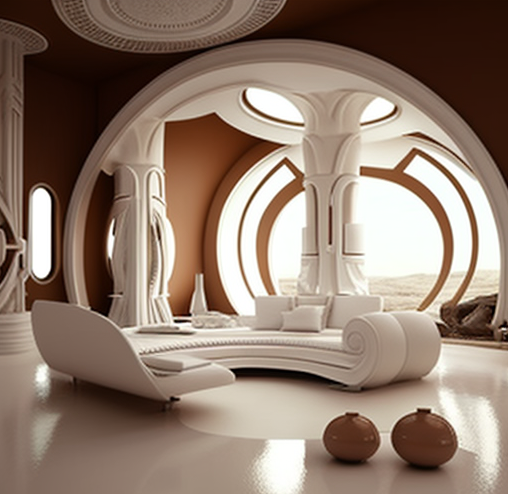
Now, on recalling architectural space as the physical environment created by the use of building materials and design element including the interior and exterior of a building, as well as the outdoor areas around it, it is the relationship between the elements of a building and the environment, including how the building interacts with its surroundings. Architectural place as concept of a purposeful and meaningful design, where a building and its surroundings are structured to create a place of beauty and harmony is made up of the relationships between the elements of the design, the environment, and the people who inhabit it. Paradise is a concept from the religious and philosophical traditions of many cultures. It is usually associated with the afterlife and is a place of perfect peace and happiness. Paradise can also symbolize a place of beauty and harmony, where design and architecture create a sense of harmony with the environment.
Therefore, architectural space in paradise is a man-made environment that is designed to be aesthetically pleasing, functional and safe. It is a space that allows for interaction between people and the environment, while providing comfort and enjoyment while architectural place in paradise is an area that has been designed to evoke certain feelings in people. It is a place that allows people to connect with the environment in a meaningful way. It is an area that is designed to be welcoming and inviting, while also providing a sense of security. The natural elements that project features of paradise include water, vegetation, and wildlife that create a feeling of peacefulness and tranquility. These elements can be used to create a sense of balance between the built environment and the natural environment. Paradise provides cultural connections to the local community and allows for the exploration of local culture through its design. This can be seen through the use of local materials, architectural styles, and other cultural influences. Paradise is designed to provide comfort and enjoyment for its visitors. It is a place that encourages relaxation and exploration, while providing a sense of safety and security.
This architectural space is defined by physical and psychological boundaries – emphasizes openness and flow – connects to the environment and its surroundings – can be used to create a sense of unity or harmony – utilizes light, shadow, and color to create atmosphere. However the architectural place is defined by its cultural and historical context – focuses on creating a meaningful experience for the user – connects to the local community and its culture – emphasizes the local identity of a place – uses materials, forms, and structures to create a sense of belonging – utilizes elements of nature, such as plants and rocks, to create a naturalistic atmosphere.
Further also, architectural space is a physical space is designed to be used for certain purposes. It is characterized by its own unique physical characteristics such as walls, doors, windows, and other elements. It is often used to create a sense of order and harmony. But the architectural place is designed to be aesthetically pleasing and evoke emotional responses. It often incorporates elements of nature, such as plants and water features. It can be a public space, such as a park, or a private place, such as a garden.
The concept of sustainable architecture involves designing and building structures that reduce the environmental impact of their construction and operation. Paradise, as a destination, can benefit from sustainable architecture, as it is important to preserve the beauty and integrity of the natural environment. Sustainable architecture can help reduce the strain on local resources and maintain the natural landscape while still providing a paradise-like experience. Sustainable architecture in paradise can look like traditional and contemporary building styles that are energy efficient, use natural materials and local resources, and are built to last. Examples of eco-friendly architecture include green roofs and walls, energy-efficient glazing, energy-efficient lighting, solar panels, and rainwater harvesting. Sustainable structures should also be designed in harmony with the environment and provide a pleasant atmosphere for visitors. Sustainable architecture can also help preserve the culture, traditions, and heritage of the local community. Sustainable structures should be designed with the community in mind, giving them a voice to ensure their needs are being met. Sustainable architecture can provide spaces for cultural education and activities, promote interaction and connection between locals and visitors, and create jobs and opportunities.
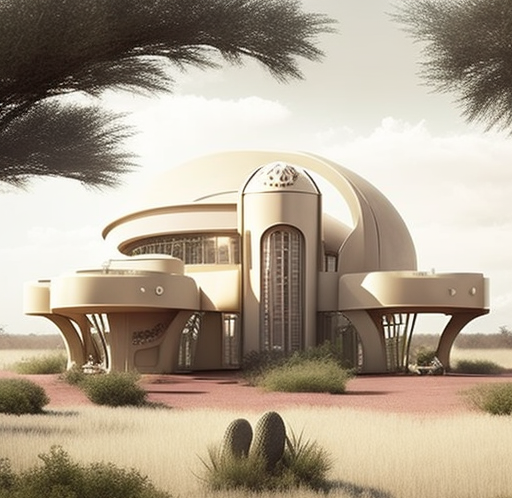
Finally, sustainable architecture can help create a more sustainable future for paradise. Buildings should be designed to meet the needs of future generations and be constructed using materials that are durable and low-maintenance. Sustainable structures should also aim to reduce the amount of waste generated and promote the use of renewable energy sources. In conclusion, sustainable architecture can have a positive impact on paradise. By using energy-efficient materials, providing spaces for cultural education, and promoting renewable energy, sustainable architecture can help reduce the impact on the environment while still creating a paradise-like experience for visitors.
Sustainable architecture seeks to reduce the negative environmental impact of buildings and other structures while providing a comfortable, healthy, and aesthetically pleasing living space. It can be applied to any type of building, from residential homes to corporate office towers. In the case of paradise, sustainability can be achieved through the use of natural materials, energy-efficient designs, and green technology. Natural materials can be used in paradise to promote sustainability. Reclaimed wood from old buildings can be used for construction, as well as for interior and exterior finishes. Bamboo is a highly sustainable material that can be used for floors and walls. Incorporating natural materials also helps to create a healthier living space by improving indoor air quality. Energy-efficient designs are essential for any sustainable architecture project. Passive solar design principles can be used to make the most of natural light, reducing the need for artificial lighting and cooling. High-efficiency windows and insulation can help to reduce the amount of energy used for heating and cooling. Additionally, renewable energy systems such as solar, wind, and geothermal can be used to provide energy to the building. Green technology can also be incorporated into paradise to promote sustainability. Water-saving fixtures such as low-flow faucets.
As a design that seeks to minimize the negative impact of the built environment on the natural environment, it obtains an approach that seeks to promote a more efficient use of energy, resources, and materials, and to create healthier, more comfortable, and more resilient buildings. It is also an approach that seeks to minimize the impact of construction activities on the natural environment. When applied to paradise, sustainable architecture can take many forms. One way to make paradise more sustainable is through the use of green building materials and techniques. For example, using sustainable materials such as bamboo, cork, and clay, instead of traditional materials like concrete and steel, can help to reduce the environmental impact of construction. Utilizing natural ventilation strategies, green roofs, and other passive design strategies can also help to reduce the energy demand of buildings. Additionally, incorporating renewable energy sources, such as solar and wind, can help to reduce the use of fossil fuels. In addition to green building materials and techniques, sustainable architecture can also take the form of urban planning and design. Incorporating green spaces, urban gardens, and other green infrastructure can help to create a healthier, more comfortable, and more resilient city. Additionally, creating denser and more walkable neighborhoods can reduce the need for cars and the associated emissions.
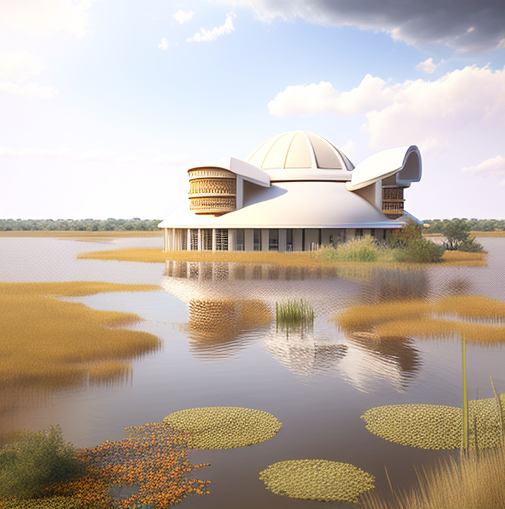
Sustainable architecture can also be achieved through the use of innovative technologies. Smart systems, such as smart lighting, can help to reduce the energy demand of buildings. Additionally, utilizing rainwater harvesting and greywater reuse can help to reduce the demand and impact of traditional water supplies. By incorporating sustainable architecture into paradise, it is possible to create an environment that is healthier and more resilient for both people and the planet. Through the use of green building materials, energy efficient design strategies, urban planning, and innovative technologies, it is possible to create a paradise that is truly sustainable.
The paradox of paradise as sustainable architecture is rooted in the idea that a paradise should be accessible to all, but has to be preserved and protected from potential harm. It is a challenge to create a sustainable paradise that is both accessible to everyone and also preserves its natural beauty and resources. On the one hand, providing access to a paradise can be a positive thing, as it allows people to experience its beauty and appreciate its uniqueness. On the other hand, it can also be detrimental if it is not managed properly. If too many people access the paradise and use its resources, it can lead to over-exploitation and degradation. This is why sustainable architecture must be used to ensure that a paradise is both accessible and also protected from potential harm. Sustainable architecture should be used to create a balance between access and preservation. This might involve designing buildings and infrastructure in ways that minimize their environmental impact and also preserve the natural beauty of the paradise. By using sustainable design principles, such as green building materials, energy-efficient systems, and sustainable land use practices, a paradise can be both accessible and preserved for future generations[Intergenerational Equity].
That the built environment of a paradise is often antithetical to sustainability is a paradox. Paradise is often defined as a place of beauty, luxury, and leisure, which often requires resources that are not renewable or sustainable. To reconcile this paradox, sustainable architecture must be designed and constructed in such a way that it respects and preserves the environment while also providing the same level of beauty and luxury that is expected of a paradise. This could involve using renewable energy sources, minimizing waste and pollution, and using eco-friendly building materials and practices. Additionally, sustainable architecture can provide a paradise that is more resilient in the face of climate change and other environmental stressors. Ultimately, sustainable architecture can provide a paradise that is both beautiful and sustainable, and a place where people, plants, and wildlife can thrive in harmony.
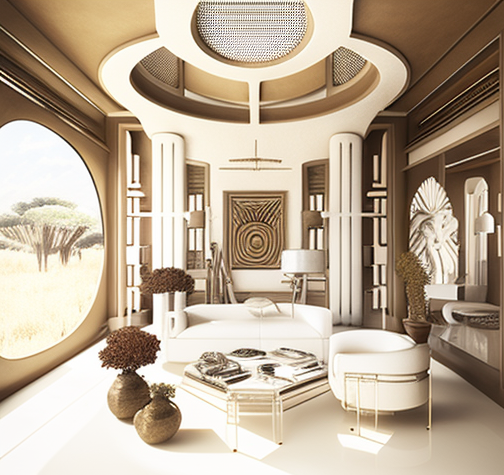
The paradox is the idea that a place of beauty, serenity, and relaxation can also be a place of sustainability and resilience. It is a concept that has gained traction in recent years as people are more conscious of the environment and the need to create buildings and communities that are energy efficient, use natural resources responsibly, and have a low environmental impact. Sustainable architecture is often associated with modern design and high-tech materials, but it can also be used to create a paradise-like setting. Sustainable architecture can be used to create a place of beauty and relaxation that also has a low impact on the environment. This could include using green roofs, energy-efficient materials, and thoughtful design that takes into consideration the local climate, soil, and vegetation. It could also involve incorporating renewable energy sources, such as solar or wind, into the building design.
Paradise as sustainable architecture in Kenya is a concept that illustrates the struggle to achieve a balance between economic development, social justice, and environmental sustainability. On the one hand, the country is blessed with a vast array of natural resources and a rich culture. On the other hand, Kenya is faced with the challenge of developing its economy while preserving its fragile environment and respecting the rights of its people. Sustainable architecture is one of the ways in which Kenya can create an appropriate balance between economic growth and environmental sustainability, as well as between individual and communal benefits. The goal is to create an environment that is both environmentally sound and socially equitable, and to ensure that the benefits of development are shared by everyone in the country. In order to achieve this, Kenyan architects must consider the needs of the environment, the rights of the people, and the economic development goals of the country.
The paradox of paradise as sustainable architecture in Kenya is the idea that a sustainable paradise can be created in this region of the world, but that it must also be balanced with the realities of climate change and the need for responsible resource management. In Kenya, the need for sustainable architecture is especially pressing as the country is prone to frequent droughts, floods, and other extreme weather events due to its location within the equatorial region. The need for sustainable architecture is further compounded by the fact that the country is one of the most populous in Africa, with over 48 million people in 2020. When attempting to create a sustainable paradise in Kenya, architects must consider the need for local materials, a robust renewable energy system, and the need to consider the long-term effects of climate change. To meet these needs, architects must balance the needs of the environment with the needs of the people. For instance, traditional construction methods such as thatched roofs may need to be replaced with more sustainable materials, while renewable energy sources should be integrated into the structure in order to reduce carbon emissions. Additionally, the need to consider the long-term effects of climate change is especially important when designing sustainable architecture in Kenya, as the effects of global warming are already being felt in the region.
The challenge to maintain the beauty and harmony of the environment while also providing the necessary resources to support the local population is the paradox of paradise of sustainable architecture in Kenya. As a fast-growing country, Kenya’s population is expected to double within the next two decades, and so the challenge is to create a sustainable society that can provide resources and services for everyone. To achieve this, it is important to create a healthy balance between development and preservation of the natural environment. To do this, Kenya must focus on building ecologically sound infrastructure that is resilient to the changing climate, as well as developing a green economy based on renewable energy sources. Additionally, the country must create an efficient transportation system that is accessible to all, and a strong waste management system that reduces pollution and conserves resources. Finally, it is important to ensure that the rights of the local population are respected and that they are given the opportunity to participate in the decision-making process. By implementing these strategies, Kenya can become a sustainable paradise and a model for other countries.
While it is an ideal location for sustainable development, it is also a place of great environmental and economic vulnerability. Kenya is a country that is rich in natural resources, but has been struggling with poverty and environmental degradation for decades. In order to ensure sustainable development, Kenya must balance the need for economic growth and development with the need for environmental protection. In order to achieve this balance, the country must focus on creating resilient, sustainable architecture that can withstand the changing climate and the effects of climate change. This could include using renewable energy sources such as solar, wind, and geothermal power, as well as utilizing more efficient building materials and practices. Additionally, incorporating natural ventilation and cooling systems into buildings, as well as utilizing green roofs and other green infrastructure, can help reduce energy use and improve air quality. Incorporating natural elements such as green spaces, rainwater harvesting, and composting into the design of buildings can help reduce water and energy use, while also providing a more aesthetically pleasing environment.
In Kenya, architecture has been used to address environmental justice issues, such as resource management, access to affordable housing, and climate change. In order to address these issues, the Kenyan government has implemented a number of initiatives, such as the National Climate Change Action Plan, the National Housing Fund, and the Kenya Urban and Rural Development Strategy. These initiatives aim to promote sustainable architecture and green building design, increase access to affordable housing and public services, and reduce energy consumption. Additionally, organizations such as the Kenya Green Building Council are working to promote green building designs and materials, as well as educating individuals on environmental protection and conservation. These organizations are also working to create green jobs and green businesses, to address the environmental justice issues in Kenya.
Architecture in Kenya has long been informed by a commitment to environmental justice. This is demonstrated through the use of locally available materials, such as local stone, mud, and timber, to create energy-efficient buildings that help to reduce energy consumption and conserve resources. Examples of environmentally friendly building practices include the use of rainwater harvesting, solar panel installations, and the use of sustainable building materials. Through the use of these techniques, buildings are able to significantly reduce their environmental impacts. Additionally, environmental justice is a key factor in the development of urban centers in Kenya. Urban planners and architects have worked to create low-impact, eco-friendly cities that are more resilient to climate change. These cities are designed to maximize green space, reduce water and air pollution, and encourage the use of public transportation. With these initiatives, urban centers are becoming more equitable and livable environments for all. Finally, Kenya is also putting a strong emphasis on community-based development. This includes the development of housing and infrastructure projects that provide the local community with access to basic needs, such as water, sanitation, and electricity. These projects also help to create employment opportunities, provide improved healthcare and educational facilities, and promote a sense of ownership and responsibility for the environment. By investing in the development of its communities, Kenya is taking the initiative towards a more sustainable future.
However, Kenya also is a country facing serious environmental injustice. Generally, environmental injustice is the unequal distribution of environmental health risks among different social groups. In many developing countries, such as Kenya, environmental injustice is most severe among the poorest, most vulnerable populations. This is because these populations often lack the resources to protect themselves against environmental pollution and hazards. In Kenya, there is an urgent need to address this environmental injustice, and sustainable architecture can be an important tool to do so. Sustainable architecture is the design and construction of buildings that minimize the negative environmental impacts of the built environment. This can include the use of renewable energy sources, green building materials, and energy-efficient design. Sustainable architecture can help reduce the environmental impacts of buildings and, in doing so, help to reduce the environmental injustice faced by vulnerable populations. In addition to promoting sustainable architecture, there are a number of other ways to address environmental injustice in Kenya. These include advocating for stronger environmental protection laws and regulations, promoting public awareness and education about environmental issues, and supporting programs designed to help vulnerable communities access clean water, adequate sanitation, and other basic necessities. All of these measures can help to reduce the environmental injustice faced by vulnerable populations in Kenya.
Kenya has seen an increase in sustainable architecture with the development of green buildings that have the potential to reduce environmental injustice. These buildings have been designed to reduce the amount of energy used, maximize natural lighting and ventilation, and use materials that are renewable and locally sourced. Solar panels, water harvesting systems and green roofs are being incorporated into the design of buildings to reduce energy costs and reduce the amount of pollution created. Additionally, green building techniques are being used to reduce water and air pollution by creating water-efficient fixtures and reducing air infiltration. However, environmental injustice still exists in Kenya due to a lack of access to resources and unequal development opportunities. Inadequate access to clean water and energy, poor quality housing and infrastructure, and a lack of access to clean air and safe waste disposal are all examples of environmental injustice in Kenya. Additionally, the urban and rural divide creates a significant gap in access to resources and opportunities and contributes to the overall environmental injustice. In order to tackle environmental injustice in Kenya, the government and private sector must work together to create sustainable infrastructure and equitable development opportunities. This includes the development of green building standards and the provision of adequate resources and infrastructure to communities in both urban and rural areas. Additionally, public and private partnerships must be established to promote green energy and green building practices and to provide access to resources and infrastructure to all communities. Finally, education and awareness campaigns should be implemented to ensure that communities are informed and empowered to make sustainable choices.
Sustainable architecture in Kenya has become an increasingly important topic as the country faces environmental injustice and the challenge of creating a paradise concept in its urban and rural settings. Kenya has a long history of environmental degradation and poverty, with much of its population living in inadequate housing, lacking access to clean water and sanitation and with limited access to services and resources. To address these issues and create a more sustainable future, the country has adopted an ambitious agenda for sustainable development and green initiatives. In recent years, the government of Kenya has adopted a number of green initiatives to reduce the environmental impact of buildings and development. This includes promoting energy efficiency standards and the use of renewable energy sources in buildings, encouraging the use of low-impact materials in construction, and mandating the inclusion of green spaces in urban planning. Additionally, the government has taken steps to promote green development through financial incentives, tax breaks and other measures. The Kenyan government has also taken steps to reduce the environmental injustice that affects many of its citizens. This includes increasing access to clean water and sanitation in rural areas, improving access to basic services, and providing training and resources to help communities become more self-sufficient. Additionally, the government has taken steps to address environmental inequity by investing in green infrastructure and improving housing conditions for the poor.
The concept of paradise in Kenya is also an important part of sustainable architecture. This includes efforts to improve the quality of life for citizens by promoting green spaces, improving access to clean water and sanitation, and encouraging the use of renewable energy sources. Additionally, the government has taken steps to protect and preserve its natural resources and biodiversity, and to promote a culture of sustainability. Overall, sustainable architecture in Kenya is a vital component of the country’s efforts to reduce environmental injustice, create a paradise concept, and build a more sustainable future. Through green initiatives, improved access to services and resources, and a commitment to protecting and preserving the environment, Kenya is well on its way to a more sustainable future.
Kenya has an incredibly diverse climate, ranging from hot and humid in the coastal region to cold and dry in the highlands. These varying climatic conditions make it challenging to create sustainable architecture that is designed to withstand the elements. As such, the development of sustainable architecture in Kenya is not only important for the environment but also for the economic and social benefits that come with it. For Kenyan architects and urban planners, the goal is to create structures that are both efficient and aesthetically pleasing. To do this, it is important to incorporate energy efficient materials and technologies, such as solar panels and natural ventilation systems, into the design. Additionally, the use of locally sourced and recycled materials can help reduce the carbon footprint of the building and contribute to the overall sustainability of the project. In addition to sustainable architecture, another important issue in Kenya is environmental injustice. Kenya has been struggling with the effects of climate change, including rising temperatures and increasingly severe droughts. This has resulted in increased poverty and displacement, as well as an increased risk of disease and other health issues. To combat this, the government of Kenya has taken steps to address these issues, including enacting laws that protect vulnerable populations
Sustainable Architecture in Kenya Kenya has been making strides in embracing sustainability in architecture in recent years. The country has adopted a range of strategies to reduce the environmental impacts of buildings, such as the use of renewable energy, low-carbon building materials, and energy efficiency measures. This includes the adoption of green building standards, such as the Leadership in Energy and Environmental Design (LEED) certification, and the use of energy-saving technologies such as solar panels, green roofs, and rainwater harvesting. Some of the most notable projects that have been implemented in Kenya include the KICC Complex in Nairobi, which was designed to be energy efficient and water-wise, and a green residential development in Mombasa that is powered entirely by solar energy. Kenya has also experienced environmental injustice unfortunately when certain communities, often those living in poverty, are disproportionately harmed by environmental degradation or pollution. Poor communities living in informal settlements, such as those in Nairobi’s Kibera and Mathare slums, often suffer the most from environmental injustice. They can experience air and water pollution from nearby industries, as well as inadequate access to sanitation and clean water. This can lead to a range of health problems, from respiratory diseases to diarrhea. Sustainable architecture in Kenya is becoming increasingly important with the growing population and rapid urbanisation.
Kenya is facing a variety of environmental issues, such as climate change, deforestation, air and water pollution, and loss of biodiversity. These issues are all interconnected, and there is a need for integrated solutions to tackle them. Sustainable architecture can play a major role in this regard, by minimising the environmental impacts of buildings and helping to create a more resilient urban environment. One way that sustainable architecture can be implemented in Kenya is through the use of green building materials, such as bamboo and recycled materials. These materials can reduce the environmental impacts of construction, while also helping to create an aesthetically pleasing design. For example, bamboo is a renewable resource that is fast-growing and can be used in a variety of ways, from flooring to furniture.
The concept of ‘paradise’ is often associated with sustainable architecture. This is a vision of a future in which people, nature, and technology are in harmony. In this vision, buildings are designed to be energy efficient, using renewable energy sources such as solar and wind power, and are constructed with environmentally-friendly materials. In addition, green spaces are integrated into the built environment, providing areas for relaxation and recreation. By creating a vision of paradise, sustainable architecture can help to inspire hope and optimism for a better future through application of design principles that promote the conservation of resources and the protection of the environment.
This includes the use of energy-efficient materials, energy-efficient technologies, and natural resources in construction and design. It also includes the utilization of renewable energy sources such as solar, wind, and geothermal. Sustainable architecture also encourages the use of sustainable building materials, such as bamboo and rammed earth that promote the reuse of resources and reduce the burden on the environment. Environmental injustice is an issue prevalent in many parts of the world, and Kenya is no exception.
Environmental injustice is an umbrella term used to describe the unequal distribution of environmental harms and benefits, which disproportionately affects vulnerable populations. In Kenya, environmental injustice is often linked to unequal access to resources, such as land and water that are essential for sustainable development. This can be seen in the lack of access to safe drinking water and the inadequate disposal of waste. It can also be seen in the unequal access to clean energy sources, such as solar power, which are often only available to wealthier communities. The concept of paradise is often used to describe an ideal world, where people live in harmony with nature and each other. This is particularly relevant for sustainable architecture in Kenya, which seeks to create a “paradise” where people can live in a sustainable, healthy and environmentally responsible way. Sustainable architecture in Kenya should strive to promote the efficient use of resources, while respecting the environment, and creating healthy and prosperous communities. The use of green building materials, energy efficient technologies, and renewable energy sources can help to create a paradise where people can live in harmony with nature and the environment.




Excellent,place making as a sense of belonging.
Great