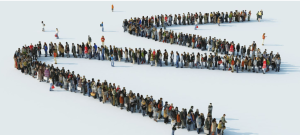

The concept of a queue might seem like an inconvenience given the fast-paced modern world where time is of essence. We often find ourselves impatiently waiting in line, longing for our turn to come. This is evident in every aspect of life
However, there is more to a queue than meets the eye. It represents a fundamental aspect of civilization and embodies essential values that contribute to the smooth functioning of society without which society may descend into anarchy and chaos.
Unity is one of the key values that a queue promotes. When we join a line, we become part of a larger collective, all waiting for the same purpose. Regardless of our differences in age, gender, or social status, we stand side by side, demonstrating our shared goal and the power of togetherness.
Another crucial value that a queue instills is patience. As we wait our turn, we learn the importance of being patient and understanding that we are not the only ones seeking a service or opportunity. Patience is a virtue that allows us to cultivate a sense of empathy towards others and practice self-control in the face of delays or inconveniences.
Respect is another value that emerges from the concept of a queue. By adhering to the line, we show respect for those who arrived before us. It demonstrates our willingness to abide by the established rules and treat others with fairness. Respect within a queue is a reflection of the respect we have for our fellow human beings and the value we place on their time and presence.
Furthermore, a queue fosters a sense of order and fairness. It ensures that everyone gets their turn in a systematic and organized manner. In a world where chaos can easily prevail, the queue provides a structured approach that ensures equity and equality. It prevents favoritism and ensures that no one is unfairly prioritized over others.
The concept of a queue also encourages discipline. It requires individuals to adhere to certain rules and guidelines, such as maintaining a proper distance from others, not cutting in line, and waiting patiently. By following these principles, we develop a sense of discipline that extends beyond the queue and becomes part of our character, influencing our behavior in various aspects of life.
while queues may seem mundane and unremarkable, they hold significant value within the realm of civilization. They embody unity, patience, respect, order, fairness, and discipline. The next time you find yourself in a queue, take a moment to appreciate the underlying values it represents. Embrace the opportunity to practice these values and contribute to a more harmonious and civilized society.
The concept of a queue, also known as a line, is prevalent in many civilizations and societies around the world. It represents a system of order and fairness in which people wait their turn to receive a service, make a purchase, or gain access to a particular resource.
Now, to understand this concept we shall look elsewhere in making our case in hoping to find Fairness as the primary value of a queue is to ensuring equal opportunity while promoting the idea that everyone should have an equal chance to access goods, services, or resources, regardless of their social status, wealth, or influence. In a queue, individuals are expected to wait their turn patiently, respecting the rights of others to be served before them.
We shall also seek Order and Discipline as provided in Queues structure and organized approach to managing crowds or handling large volumes of people. In cases of high demand or limited availability they help maintain order and prevent chaos. By adhering to the queue system, individuals contribute to maintaining a sense of discipline and cooperation within the society.
This results in Respect for Rules. Queueing involves following a set of rules or social norms. This value reinforces the importance of respecting and abiding by established rules and regulations. Individuals are expected to wait in the designated area, avoid cutting in line, and follow any specific instructions or guidelines provided by the queue management. And while waiting, an individual practices and develops Patience and Self-Control. Queueing often requires patience and self-control, as individuals may need to wait for extended periods before their turn arrives. The value of patience is emphasized, teaching individuals to exercise restraint, manage their expectations, and remain calm even in situations of delay or inconvenience.
To practice Egalitarianism, one must exercise restraint, manage their expectations, and remain calm even in situations of delay or inconvenience. Queues promote the idea that everyone is equal and deserving of fair treatment. Regardless of one’s background, wealth, or social status, the queue system provides an equal opportunity for everyone to access the desired service or resource. It helps to minimize favoritism or preferential treatment, fostering a sense of equality among individuals.
Egalitarianism principles foster Social Cohesion. The queue system contributes to social cohesion by encouraging individuals to wait patiently and cooperate with one another. People from diverse backgrounds and walks of life come together in queues, fostering a sense of community and shared experience. This shared sense of waiting and anticipation can create opportunities for interaction, empathy, and understanding among individuals.
Through social cohesion a society achieves Efficiency and Orderliness. Queues are designed to optimize the flow of people and resources. By following the queue system, individuals contribute to the efficient and orderly functioning of services, businesses, or public spaces. This value emphasizes the importance of maintaining a well-structured system that minimizes confusion, reduces waiting times, and ensures smooth operations.
In the context of spatial configuration within a civilization, the values of a queue can take on additional dimensions related to the arrangement and organization of physical space. By Optimization of Space queues help optimize the utilization of physical space within a civilization. By creating designated areas or pathways for queues, spatial resources can be efficiently allocated, ensuring that queues do not obstruct or impede the flow of people or activities. This value emphasizes the importance of maximizing spatial efficiency and minimizing congestion. The Flow and Movement of individuals within a given space are contribution of queues to a well-designed and organized environment that facilitates the movement of people from one point to another. By guiding individuals along a defined path, queues help maintain spatial orderliness and minimize bottlenecks.
In configuring Accessibility and Inclusivity, spatially configured queues ensure accessibility and inclusivity for individuals with different abilities or needs. Considerations such as wheelchair accessibility, designated waiting areas for elderly or pregnant individuals, or visual cues for people with visual impairments can be incorporated into the spatial design of queues. This value underscores the importance of creating an inclusive environment where everyone can participate in the queue system.
In certain contexts, queues in spatial configuration may reflect a Spatial Hierarchy or priority system. This can manifest in different ways, such as VIP queues, express lanes for urgent matters, or designated queues for specific groups. Such spatial configurations reflect societal values that prioritize certain individuals or circumstances, acknowledging the diverse needs and requirements within a civilization.
Utilization of Waiting Spaces incorporates areas within queues to provide comfort, amenities, or entertainment, depending on the duration of wait times. The spatial configuration of these waiting spaces can reflect the value of providing a pleasant and engaging experience for individuals, with amenities such as seating, reading materials, digital displays, or interactive installations. Waiting areas therefore are spaces designed for the value of patience.
Integration of Technology into spatially configured queues can incorporate technological solutions to enhance efficiency and convenience. This may include self-check-in systems, digital signage, or mobile applications that allow individuals to join virtual queues. The integration of technology reflects a value for innovation and leveraging advancements to improve the queue experience and overall spatial configuration.
The spatial configuration of queues ought to contribute to the overall Aesthetics and Identity of a civilization. Whether through architectural design, artistic elements, or cultural symbols, queues can be integrated into the spatial fabric of a society, reflecting its values, heritage, and sense of identity.
When considering the values of a queue in architecture and environmental design shaping the design and organization of physical space, contributing to a functional, inclusive, and visually appealing environment within a civilization, architects interrogate the relationship and influence of queues on Spatial Organization. Queues influence the spatial organization of buildings, public spaces, and urban environments. They shape the design and layout of spaces to accommodate the flow and movement of people waiting in queues. The architectural design considers the placement of queue areas, pathways, and waiting zones to ensure a smooth and efficient circulation of individuals.
In architecture and environmental design, the spatial organization of queue areas is carefully planned to optimize the flow of people and minimize congestion. Designers consider factors such as the number of anticipated users, the desired capacity of the queue, and the available space. They create dedicated queue areas that are distinct from other functional areas, ensuring that the movement of people waiting in queues does not interfere with other activities in the space. Spatial configurations may include straight lines, serpentine layouts, or multiple lanes, depending on the anticipated crowd size and the space available.
This results in the User Experience. The values associated with queues in architecture and environmental design revolve around creating a positive user experience. Designers strive to make waiting in queues comfortable, engaging, and visually appealing. Factors such as lighting, seating arrangements, aesthetics, and access to amenities are considered to enhance the overall experience for individuals waiting in queues.
The user experience is a key consideration in queue design. Architects and designers aim to create comfortable and engaging spaces that alleviate the perceived waiting time. Seating is strategically placed to provide resting opportunities, and ergonomic design principles are applied to enhance comfort. The use of appropriate materials, lighting, and acoustics helps create a pleasant ambiance. Additionally, the incorporation of amenities such as digital displays, interactive installations, or access to Wi-Fi can offer entertainment and convenience, further improving the user experience.
Effective Wayfinding systems and clear Signage play a crucial role in guiding individuals within a space or building. In the context of queues, architectural and environmental design incorporates appropriate signage and visual cues to direct people to queue areas, provide instructions, and maintain order. Well-designed wayfinding systems contribute to a seamless queue experience and reduce confusion.
Effective wayfinding systems and clear signage are essential in guiding individuals through the queue process. Designers integrate intuitive signage and visual cues that direct people to queue areas, indicate waiting times, and provide instructions on queue etiquette. Signage may include arrows, symbols, or text-based instructions, depending on the context and user needs. The placement of signage considers visibility, legibility, and the appropriate positioning to avoid confusion or congestion.
Architecture and environmental design consider the Integration of queues within the larger context of the Surroundings. This involves aligning the design with the existing architectural style, landscape, and cultural heritage of the civilization. The goal is to create a cohesive and harmonious relationship between the queue spaces and their surroundings.
The design of queue spaces takes into account the surrounding environment to ensure a harmonious integration. Architects and designers consider the existing architectural style, landscape, and cultural heritage of the civilization. They may incorporate materials, colors, or design elements that complement the surrounding buildings or natural surroundings. By integrating queues seamlessly with their surroundings, the design creates a cohesive and visually pleasing experience.
Queues in architecture and environmental design prioritize Accessibility and Universal Design principles. The design of queue areas includes considerations for individuals with disabilities, ensuring barrier-free access, appropriate seating options, and clear signage. Universal design values aim to make queue spaces inclusive and accommodating for people with diverse needs.
Queue areas prioritize accessibility and universal design principles to accommodate people with diverse needs. Designers ensure barrier-free access to queue spaces, incorporating ramps, elevators, or lifts for individuals with mobility challenges. Queue areas provide seating options that cater to individuals with different abilities, such as benches with backrests or designated spaces for wheelchair users. Clear signage with braille or tactile elements aids those with visual impairments. These considerations ensure that queue spaces are inclusive and accessible for everyone.
Architecture and environmental design incorporate sustainable practices in queue areas to promote resource efficiency and minimize environmental impact. This includes utilizing natural lighting, energy-efficient systems, sustainable materials, and integrating green spaces or biophilic elements. Sustainable design values contribute to a more environmentally friendly and sustainable civilization.
Queue areas in architecture and environmental design embrace sustainable practices to minimize their environmental impact. Designers utilize natural lighting strategies to reduce the need for artificial lighting during daylight hours, improving energy efficiency. They incorporate energy-efficient HVAC systems, water-saving fixtures, and sustainable materials in the construction and furnishing of queue spaces. Additionally, designers may integrate green spaces or biophilic elements, such as indoor plants or living walls, to enhance air quality and create a connection with nature.
The design of queues in architecture and environmental design can reflect the Cultural Significance and values of a civilization. It may incorporate elements such as local art, cultural symbols, or traditional architectural styles, fostering a sense of identity and pride within the community.
The design of queue spaces can reflect the cultural significance and values of a civilization. Architects and designers may incorporate local art, cultural symbols, or traditional architectural styles to create a sense of identity and foster cultural pride. These design elements evoke a connection to the local community and its heritage, creating a unique and meaningful experience for individuals waiting in queues.
By incorporating these values into architectural and environmental design, queue spaces become not just functional but also enriching and meaningful components of a civilization’s built environment. They contribute to a well-designed, inclusive, and sustainable society that prioritizes the user experience and respects the surrounding context. These values enhance the overall experience of individuals within a civilization and contribute to the creation of well-designed and purposeful queue spaces.